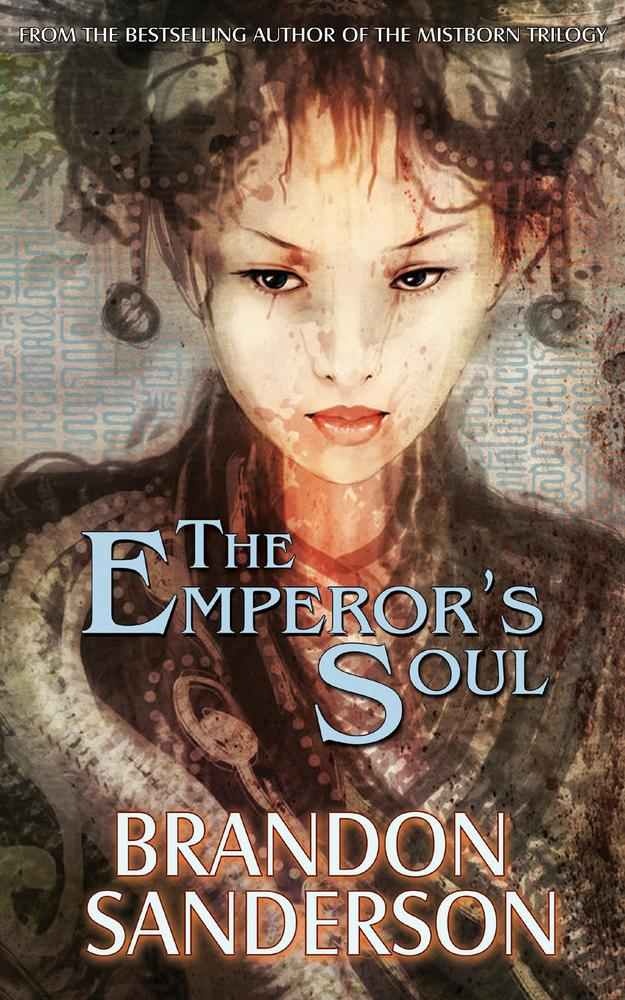
This is a re-read for me. I’ve read it 4 or 5 times now, and it is just as lovely each time I read it. I pick it up whenever I need a palate cleanser between books. The audiobook is only 4 hours long, or 2 hours when you listen to it in fast mode. It was a nice afternoon listen for me while walking the dog.
The Barbarian Empires of the Steppe
I watched this over breakfast for the last few weeks. This Great Courses lecture series on the Eurasian Steppe, starring the nomadic, pastoralist people of the steppe which stretches from Hungary in the West to Mongolia in the East. It discusses the Scythians, Parthians and Tocharians in the distant past, stretching up to the Mongolians in the 1400’s.
I loved listening to this. It filled in so many holes in my education. When I learned about Romans in the past, or the Chinese, or the Russians, a lot of the research would say something like ‘and then the barbarians showed up and ruined everything.’ They didn’t describe who these barbarians were, what their motivations were; they were simply a force of nature no one could control, and would disappear as soon as they were mentioned.
This lecture series actually explained the economic and social forces which made the nomadic people of the steppe function. They were a pastoralist society because it’s simply too hard, if not impossible, to grow crops out on the inner steppe of Eurasia. They were nomadic because you take your livestock where the fresh grassland was. They didn’t have cities, because as nomads they were constantly on the move. They were skilled horsemen, because they were born on the saddle. They were skilled warriors because they needed to be; they developed the recurve bow to hunt, and then applied the bow to their conquest.
They were technologically advanced, contrary to popular belief; the nomadic people were the ones to first domesticate and ride the horse, and later create steel stirrups. The steppe was not a cultural or economic backwater as you’d guess when you’d call the people who live their barbarians; instead the steppe was beating heart of Eurasia’s markets. The fabled Silk Road only functioned BECAUSE of the nomadic peoples provided their skill in nomadism to ship goods from China to Rome, and everywhere in between. It’s no wonder that it was a nomadic people like the Mongols who took over the world in a way an agricultural society like China or Rome failed to do: the Mongols had the entire world at their fingertips!
But it wasn’t perfect. Like all of Kenneth Harl’s lectures, he focuses on military histories. It does NOT focus on the cultural legacy. It barely mentions what sort of livestock they raise; it BARELY mentions the role women played in these societies; it doesn’t talk about food, or the ecology of the steppe. This lecture series has a ton of blindspots.
I want to learn more after watching this series of videos.


